
Understanding the Purpose of TV Commercials
TV commercials serve multiple purposes that are vital to both marketers and consumers. The primary objective is often brand awareness; commercials establish a presence in the minds of potential customers and create recognition of a brand’s identity. Through strategic messaging, they introduce products and services that cater to the specific needs and preferences of target audiences. By doing so, commercials can effectively influence consumer behavior, steering viewers toward making informed purchasing decisions.
Another critical purpose of commercials is product promotion. Advertisers use various formats to highlight the unique features, advantages, and value propositions of their offerings. For instance, informational commercials focus on providing essential content regarding a product’s specifications or proven benefits, thereby educating consumers about what differentiates it from competitors. Alternatively, emotional commercials tap into feelings to build a deeper connection with viewers, creating associations that promote brand loyalty.
Moreover, entertaining commercials engage audiences through humorous, dramatic, or fantastical narratives. These types of ads can be particularly effective as they capture viewers’ attention, making the content more memorable. Regardless of the approach, it is crucial to target the right audience. Understanding demographic and psychographic factors allows brands to craft messages that resonate deeply with specific segments.
Types of Commercials
Furthermore, commercials can serve as powerful tools in advertising strategies by addressing both immediate and long-term goals. Differentiating among commercial formats empowers marketers to select the most suitable format based on objectives, audience, and desired emotional response. Ultimately, well-executed commercials can build stronger connections between the brand and consumers, resulting in increased engagement and sales.
The Pre-Production Process: Planning Your Commercial
The pre-production phase is a critical step in creating a captivating TV commercial. This stage lays the groundwork for a successful project and involves several essential activities, beginning with brainstorming and developing a compelling concept. It is important to gather a team that can contribute diverse ideas, as collaboration often sparks innovation. Establishing a clear and engaging concept helps to outline the commercial’s key message and tone, making it easier to adjust the script later.
Once the concept is solidified, the next step involves writing a script. The script not only conveys the dialogue but also guides the visuals and overall narrative of the ad. The script must resonate with the target audience, making extensive research imperative to understand their preferences and behaviors. Conducting market analysis can provide valuable insights that influence the writing process, ensuring the content is both relevant and appealing.
Storyboarding
After script development, storyboarding is the next vital step in the pre-production phase. This visual outline helps to plan each scene, focusing on how the script transforms into visuals. Storyboarding is essential for identifying any potential challenges during production and aids in communicating the vision to everyone involved.
Budgeting
Budgeting is also a necessary component of pre-production. It involves estimating costs for various aspects of the commercial, such as talent, location, equipment, and post-production. Allocating resources wisely is crucial to avoid overspending, which can derail the project.
Scheduling and Location
In addition to these foundational elements, effective scheduling and location scouting are vital to ensure a smooth production process. Proper scheduling allows for a clear timeline and efficient workflow, while scouting the right locations ensures that the environment aligns with the commercial’s theme and message. Overall, taking the time to plan thoroughly during pre-production not only streamlines the filming process but also enhances the potential impact of the final product.
The Production Phase: Bringing Your Vision to Life
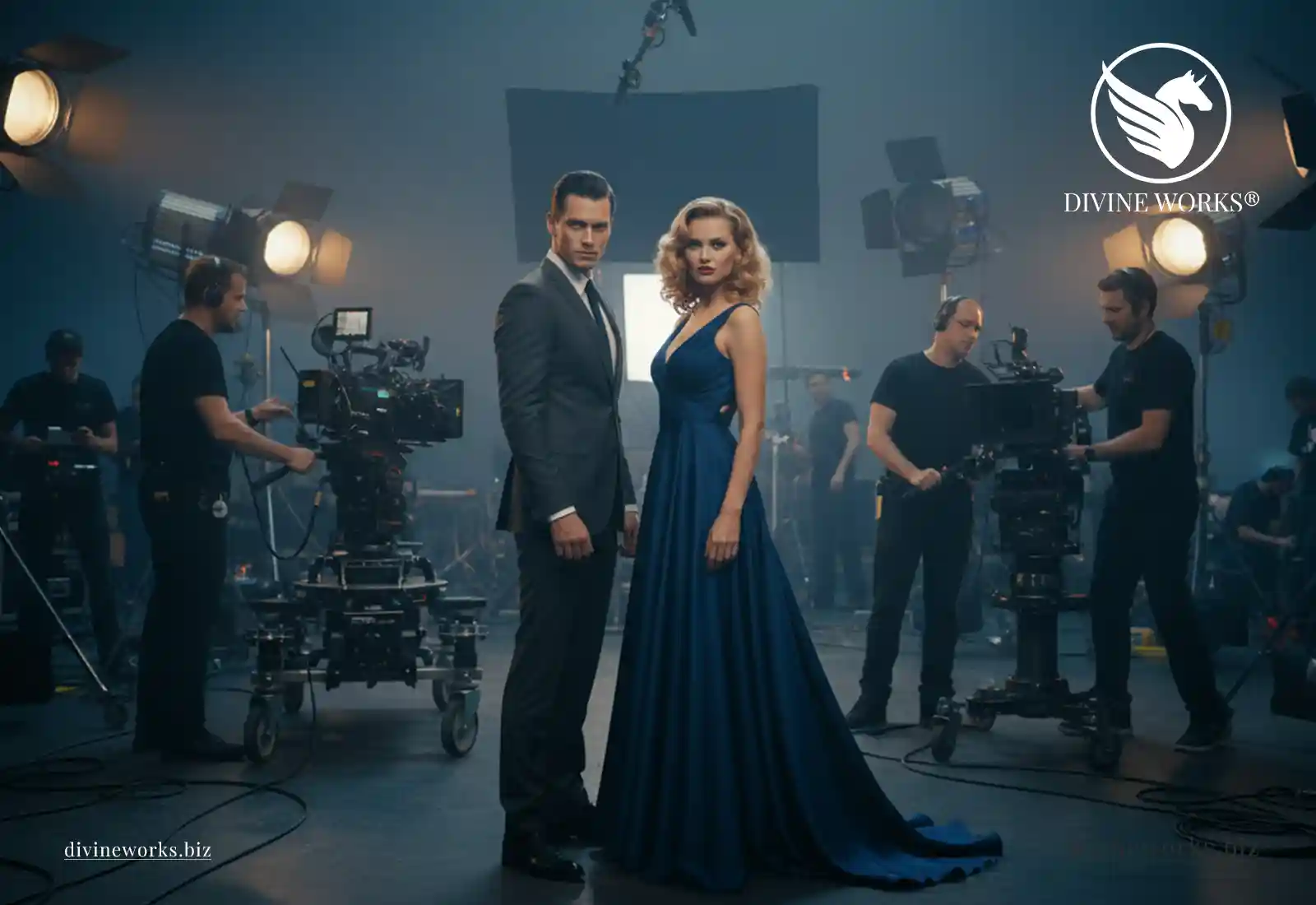
The production phase of creating a compelling TV commercial is where the vision conceived during pre-production begins to manifest. This pivotal stage involves careful planning and execution, ensuring that every detail aligns with the original concept. One of the first steps in this process is casting the right actors. Selecting performers who resonate with the target audience and can effectively convey the commercial’s message is essential. Auditions may be held to gauge their suitability, and chemistry reads can be conducted to ensure that actors work well together.
Moreover, securing the right locations plays a crucial role in the production. Whether filming on location or in a controlled studio environment, the chosen backdrop must enhance the narrative and aesthetic of the commercial. Location scouts are often employed to identify sites that not only fit the script but are also logistically feasible for the crew to access.
Utilizing Equipment
Utilizing camera and lighting equipment effectively is another vital component of the production phase. High-quality visuals are a hallmark of successful TV commercials. Therefore, working closely with a skilled cinematographer ensures that the lighting complements the mood and tone desired. The technical setup, including camera angles and movements, must be meticulously planned to capture the desired shots.
Director’s Role
The director’s role is integral during filming; they are responsible for translating the creative vision into actionable directives for the crew. The production team, comprising actors, camera operators, sound technicians, and others, must work cohesively under the director’s guidance. Communication throughout the production is crucial. Challenges may arise on set, but proactive problem-solving and maintaining clarity among team members enhance the overall efficiency of the shoot.
By navigating these elements effectively, the production phase sets the foundation for a compelling narrative that resonates with viewers, ultimately driving the success of the commercial.

Join the “AI Video School Complete Beginner to Pro: Veo3 Sora 2 & More” on Udemy
Post-Production: Editing and Distribution
The post-production phase is a crucial component of the commercial creation process, as it is during this stage that the raw footage is transformed into a compelling final product. The editing process involves selecting the best takes, arranging them into a coherent sequence, and making necessary cuts to ensure a smooth narrative flow. Above all, effective editing is crucial for maintaining audience engagement and conveying the intended message in a succinct manner.
Sound design
Sound design is another pivotal element that greatly influences the commercial’s impact. A well-crafted soundscape, including dialogue, background music, and sound effects, complements the visuals and enhances the emotional response from viewers. Moreover, visual effects and color correction play instrumental roles in refining the overall aesthetics. Visual effects can captivate the audience’s attention, while color correction ensures a polished and professional appearance, aligning the visual tone with the brand’s identity.
Audience Monitoring
Monitoring audience response and measuring the commercial’s impact on brand performance is an essential practice for evaluating success. Employing analytics tools can provide insight into viewership statistics, engagement rates, and overall audience sentiment. This data is invaluable for refining future commercials and ensuring that advertising strategies evolve in response to consumer preferences and behaviors, ultimately enhancing the efficacy of marketing campaigns.